Autism
What is Autism?
I like the definition of Refrainingautism very well:
“We think of Autism as a brain difference that is basic and fundamental to who we are. This means that Autism is an important part of who we are and the way we are in the world.
Autistic people develop differently to non-autistic people. Autistic people think, move, interact, sense and process differently to what people might expect. We also have more qualities and characteristics in common with other Autistic people than with non-autistic people. Each person is different, but Autistic people will be different to non-autistic people in the way we:
- Socialise and communicate, including the way we connect, make and understand friendships and relationships, and use speech and body language
- Think and process, including the way we see patterns and connections, imagine and play, experience and express our senses, emotions and executive functioning, and in the way our brains develop
These differences can look different for children and adults. "
Vertrausenhund (Assistance dog)
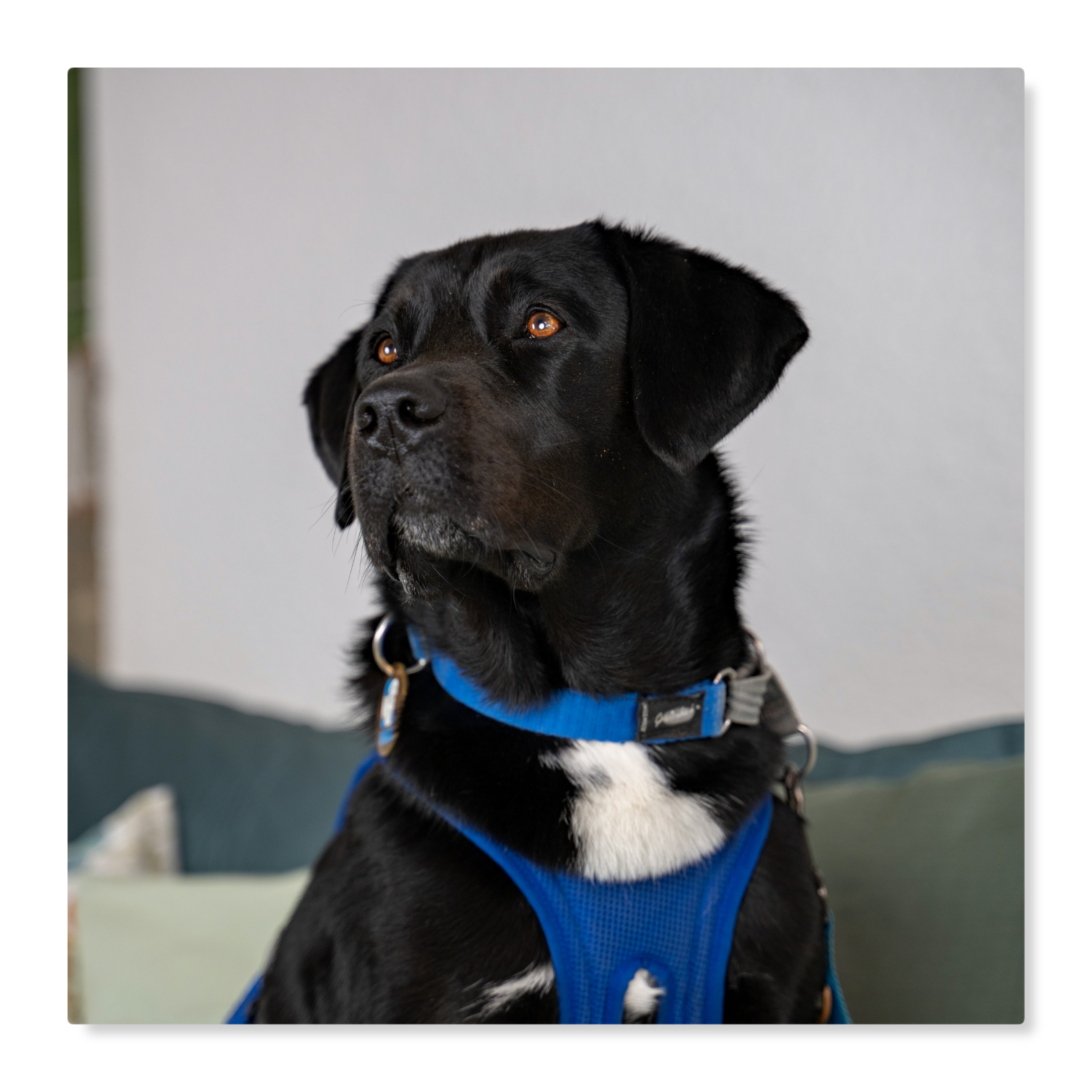
In my day to day life I am supported by my assistance dog for adult autistic people, a so called Vertrauenshund from Blindenhundeschule Liestal.
Support examples
Protecting my personal space
By sitting or lying next to me Nayla prevents people from passing by too closely.
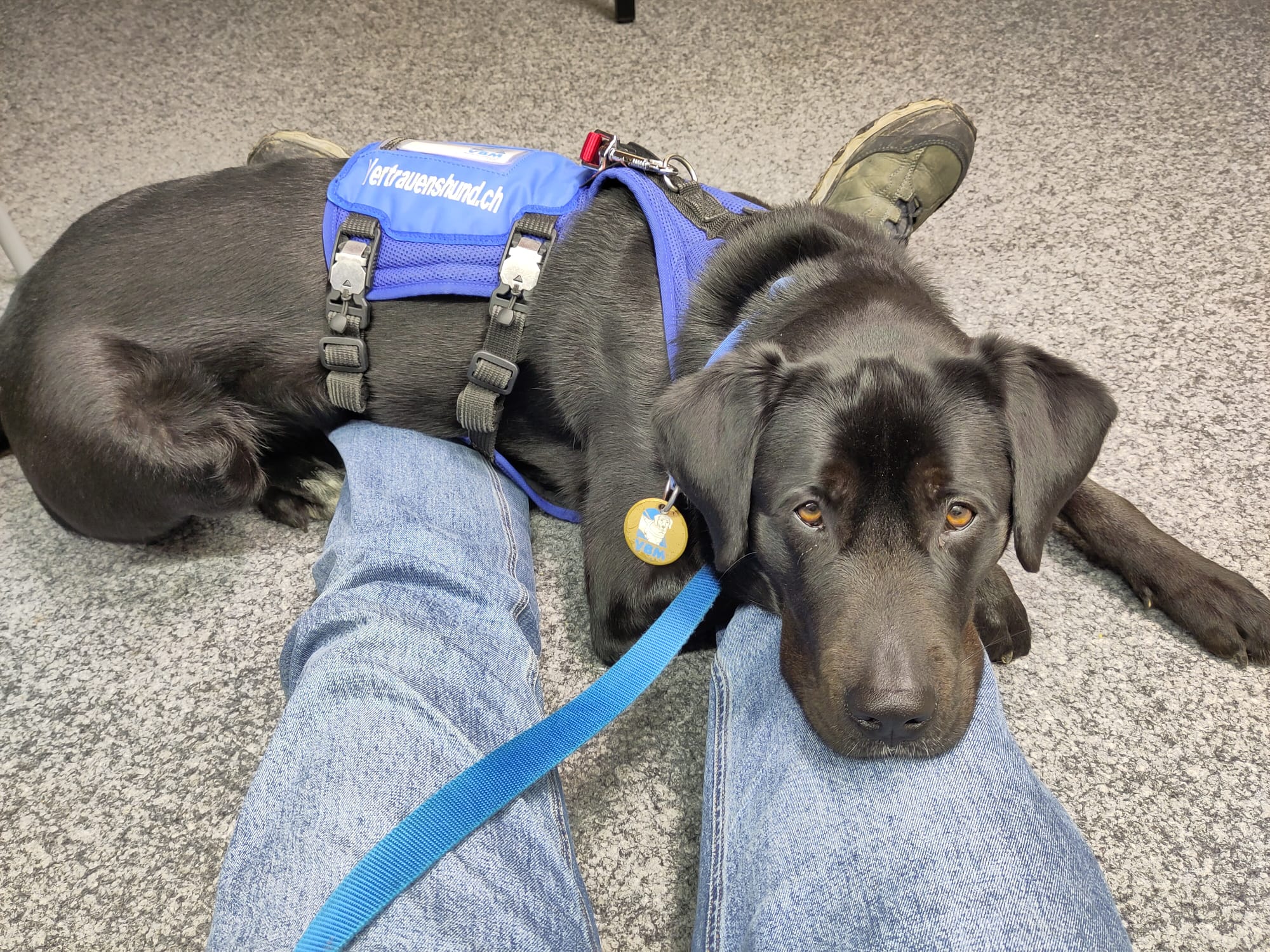
Preventing or managing downs through applying deep pressure
Outing
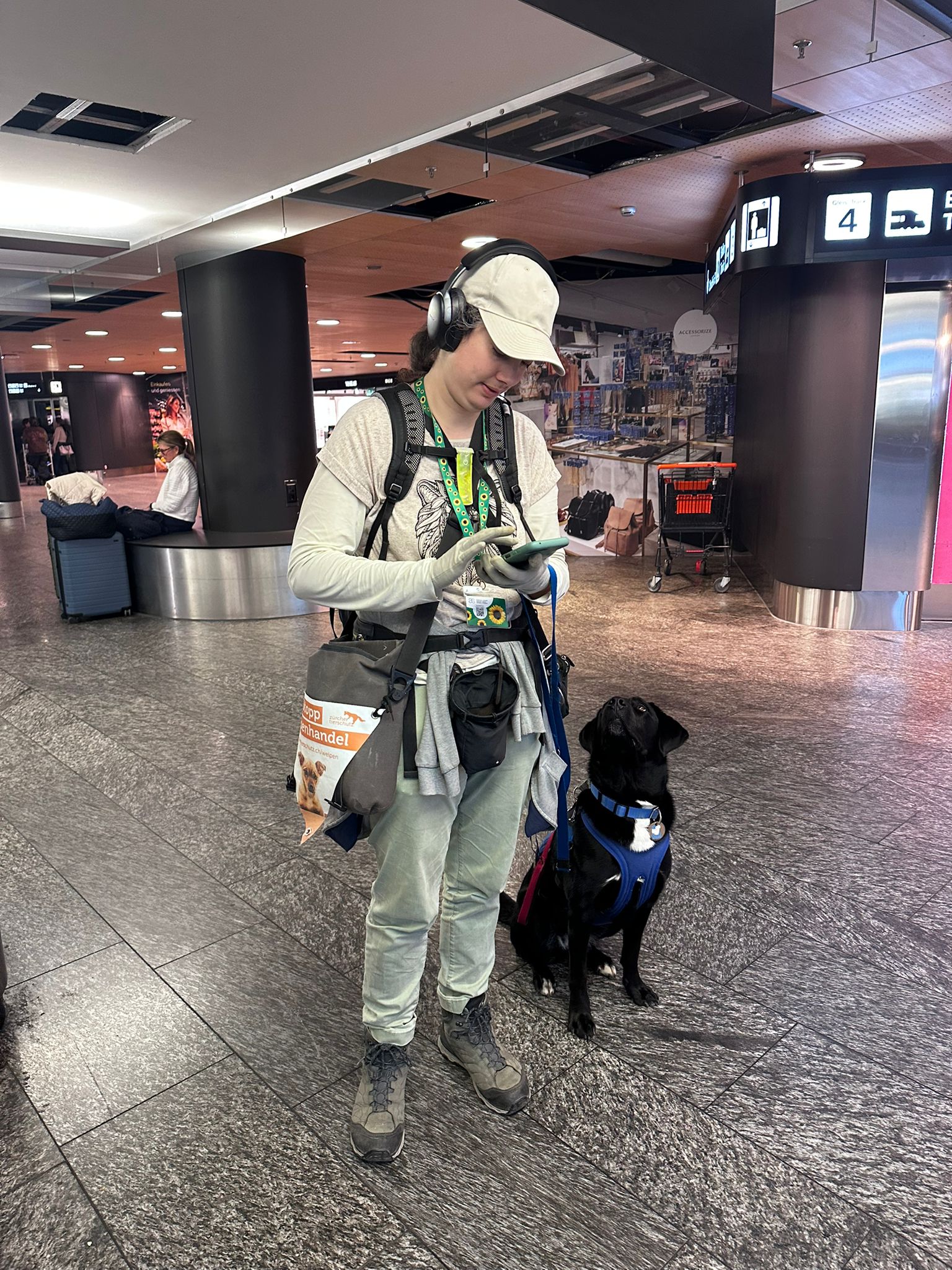
Like the hidden disability sunflower lanyard also an assistance dog makes people aware that I have special needs.
Leading through difficult sensory situations
- Out of a building or public transport vehicle
- To a park bank for a break
- To a seat in public transport
Inclusion
I try to engage in promoting inclusion e.g.
- by holding presentations about work-life balance with autism and my pilot project at ETH.
Autism Acceptance Month Challenge
In 2025 I took part in the autism acceptance month challenge on Instagram. Some excerpts of it you can find in this section. If you want to see the full posts check them out on my Instagram account.
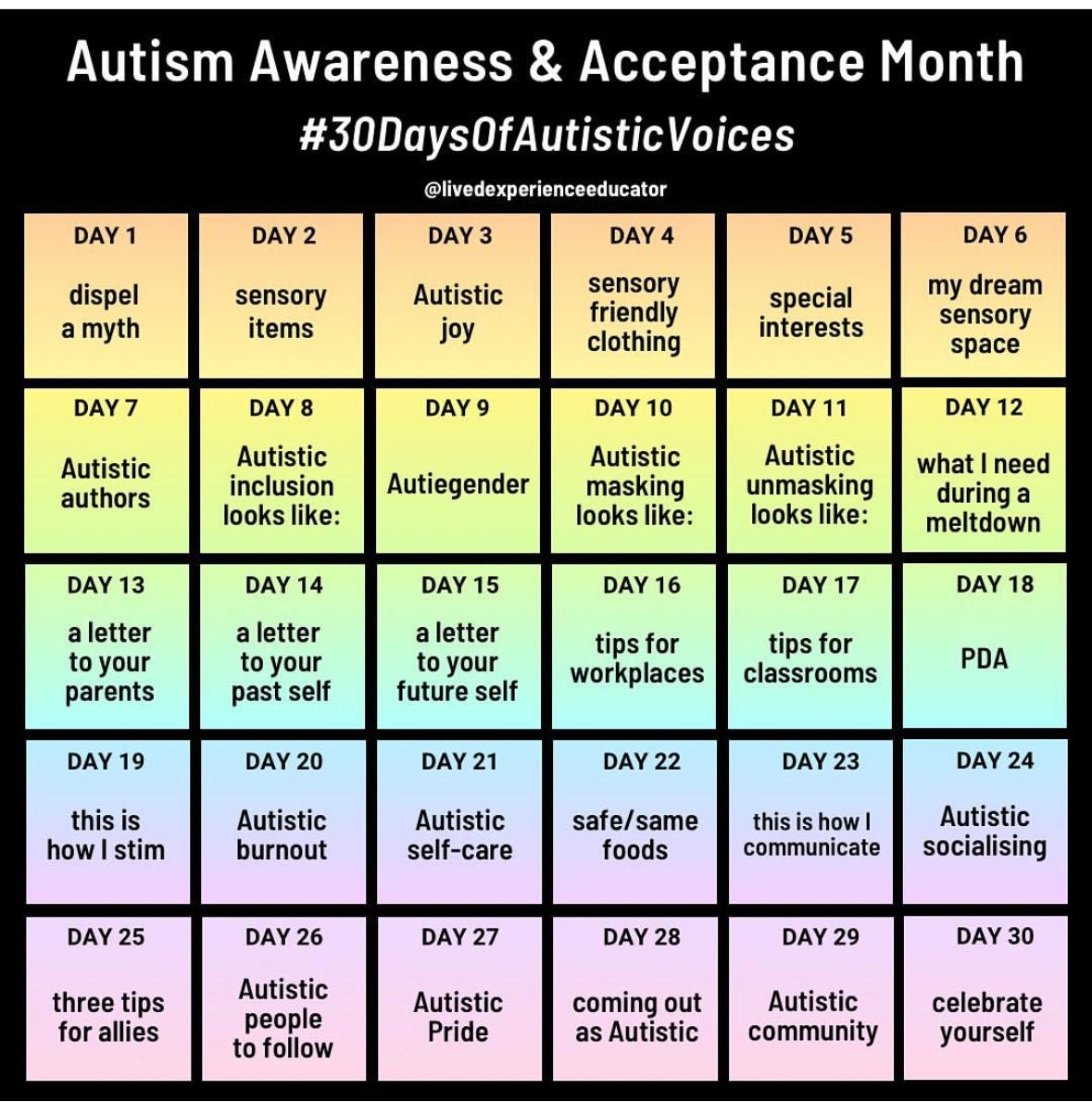
Day 1 - Dispel a myth
Myth: High functioning equals low support needs. Just because my struggles are less visible doesn’t mean I need and deserve less support.
(This is especially frustrating as social money usually is coupled to functioning instead of support needs. Resulting in many autistic people being denied the support they need because it is not visible enough.)
Functioning examples:
- living on my own
- being verbal
- being able to work
Invisible support needs examples:
- needing somebody to take over cooking, cleaning and laundry or I won’t have energy left for job or freetime
- needing somebody to do phone calls for me as one 5 min call takes about three hours for me to regenerate that energy
- having an autism coach translating to me what neurotypicals mean and doing the same in reverse for my assistants
- needing weekly sessions with my psychiatrist because I need the outside perspective on my daily challenges. My continual struggle to prevent autistic downs, my daily or even hourly changing capacities due to energy losses like change of plans. Helping me with selfconpassion on my inabilities and recognizing which barriers hindered me so that I don’t place blame on myself.
Day 2 - Sensory Items
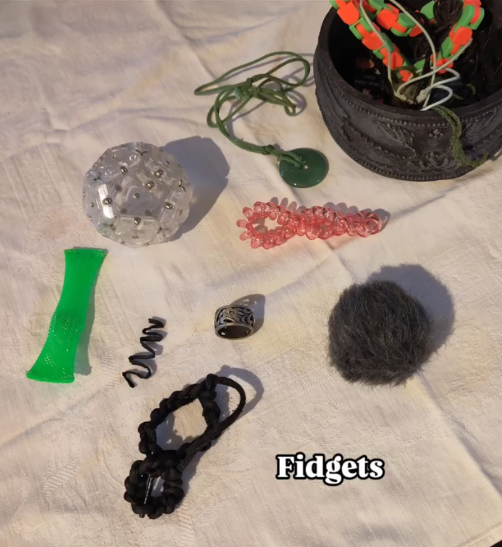
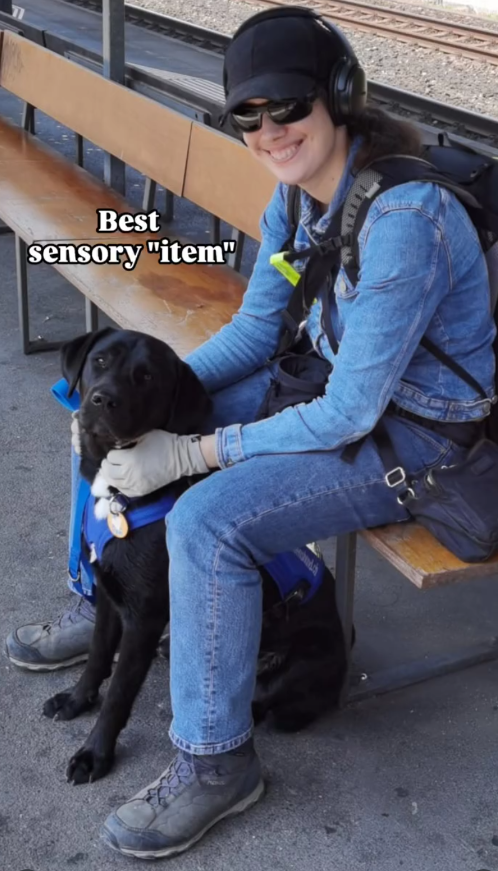
I have in almost each of my rooms at least one box with fidget toys. But since having my assistance dog Nayla I actually don’t need them so often any longer. Cuddling and petting her is just the best stimming I can get.
Day 3 - Autistic Joy
Engaging in special interests is my main source of autistic joy. But also stimming can feel immensely satisfying. Each time I hear the cry of a kite (kind of bird) my face contorts into a smile. I only notice by my body reaction that this experience makes me happy. My emotions are often not as easily accessible to me as it seems to be the case for neurotypicals. Also the sound of thunder, or of a cat purring I like very much. I love storms, walking in the forest (when there is no storm), and deep diving into hyperfocus. I love experiencing the beauty of nature. I love picturing strange worlds be it through astrophysics, scify or high fantasy. I do like socializing, too. With animals that is easy for me but with humans it leaves me exhausted so I need to be careful, always planning in breaks inbetween and recovery time afterwards.
I can find immense joy in little details like the beauty of a waterdroplet on a leaf or abstract concepts like justice.
As I struggle with mental illness (depressive thoughts, almost daily fighting to prevent autistic downs, internalized ableism,…) I have learned many strategies to battle it. One very important one for me is gratitude journaling. First noticing, then appreciating and now being grateful for the good things in my life. It is how I trained my brain to be more positive and aware of the good stuff. Through it I also realized that I am the most content when I feel my deep bond with my pets. And when being aware of the many amazing people who support me.
Day 4 - Sensory friendly clothing
This is such a challenge! Requirements:
- Long soft undergarment because otherwise I get a rash from the roughness of the fabric (e.g. jeans fabric is too rough) or spiky pet hairs poking through.
- Top layer fabric so that cat and dog hairs don’t stick too much. (No wool, fleece,…)
- Top layer color so that cat and dog hairs don’t show so much (Not white because of black Nayla hair. Not black because of white Estrella hair. Anything else is at best medium because of the multicolored hairs of Estrella.)
- Top layer robust fabric to not get immediately holes from cat claws.
- I ended up with wearing hiking shoes all the time because they are the only ones I can lash tightly enough so that I don’t feel them moving. Otherwise even the fabric from the end of my trousers moving over my socks will be enough to cause a rash.
- You might have noticed on other pictures that I wear gloves almost all the time. Those are because of my chronic skin problems on my hands. Though I have found that it is actually quite nice for my autism, too. Getting in contact with dog saliva or dirty surfaces bothers me less this way.
- Main issue: I need to wear my clothes for a few weeks before I can tell if they work for me. By that time the same garment is usually no longer available to reorder in bulk. Fortunately I have found a few slow fashion brands e.g. ASKET that work for me
Day 5 - Special interests
My special interests are astrophysics, animals and inclusion. Special interest means, that I am fascinated by it never getting bored to learn more on the topic.
What I love about astrophysics is that in its scales my daily (or even humanities) problems are unimportant. For example if I think in time scales it takes to form a planet or how the universe started. Similarly in distance scales from the sizes of stars to clusters of galaxies. My interest in astronomy started already in primary school but more than the pretty pictures I like to know and to understand how it all works.
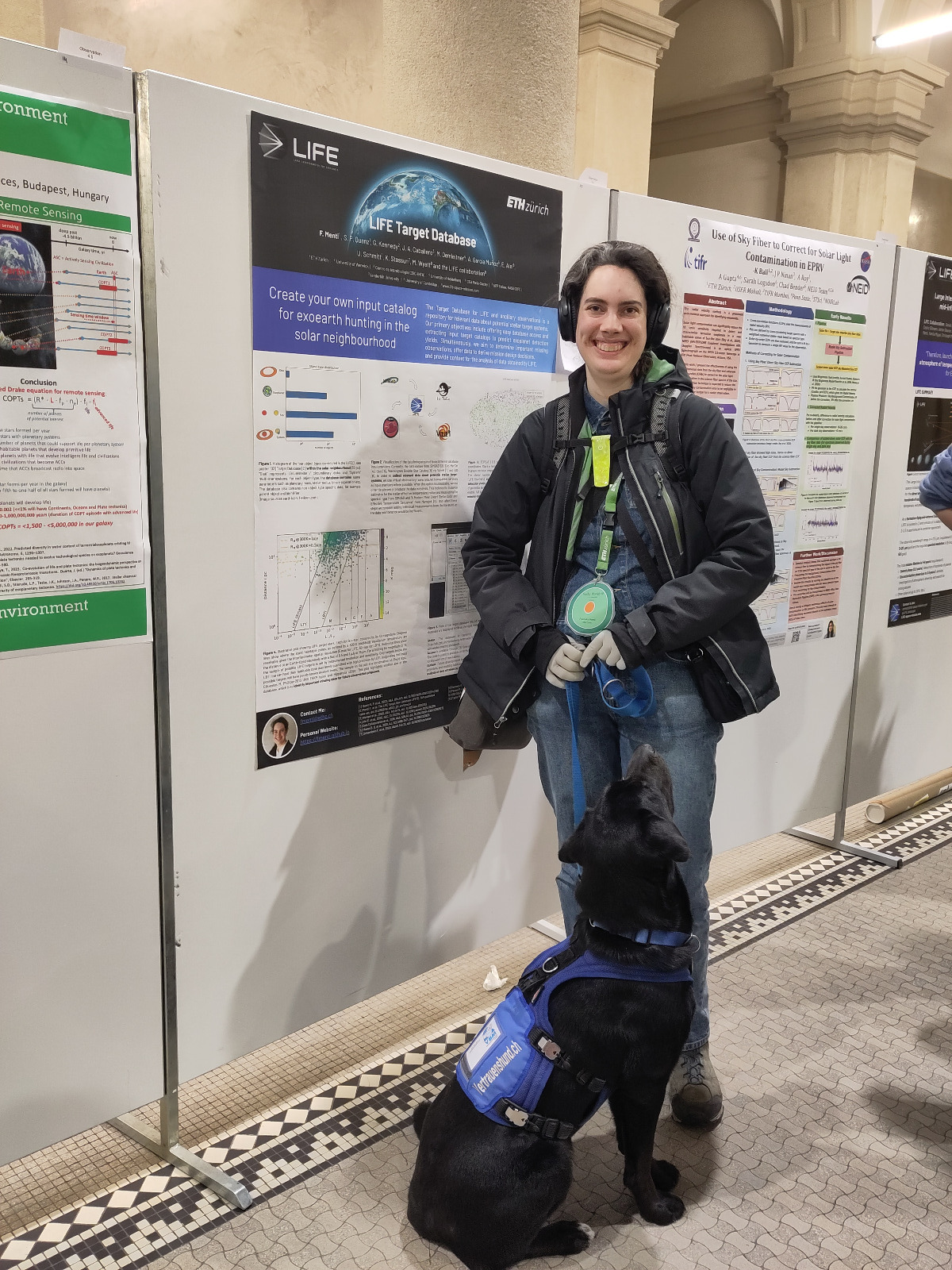
I have always been fascinated by animals. The neighbours pet’s, wild animals, animal toys … and animal dictionaries. I made my mother read them to me when I was not able to read myself yet. Still today those are some of my favorite books. It is just calming for me to open it at a random page and read about an animal species. It is also way more intuitive for me to interact with animals. I will use any chance I get to do so as it just gives me pleasure. And I am also very good at training animals. I can easily place myself in the situation of an animal and assess what it would want out of an interaction with me.
When my autism coach started teaching me what autism really was I started understanding how neurotypicals see the world, and what a big difference there is between our experiences. In order to find more strategies to make my life easier I researched more and more about autism. And the more I did the more it started to develop into a special interest. Given my many addiditonal marginalized identities I soon found out that what actually interested me was Equity and Inclusion.
Day 6 - My dream sensory space
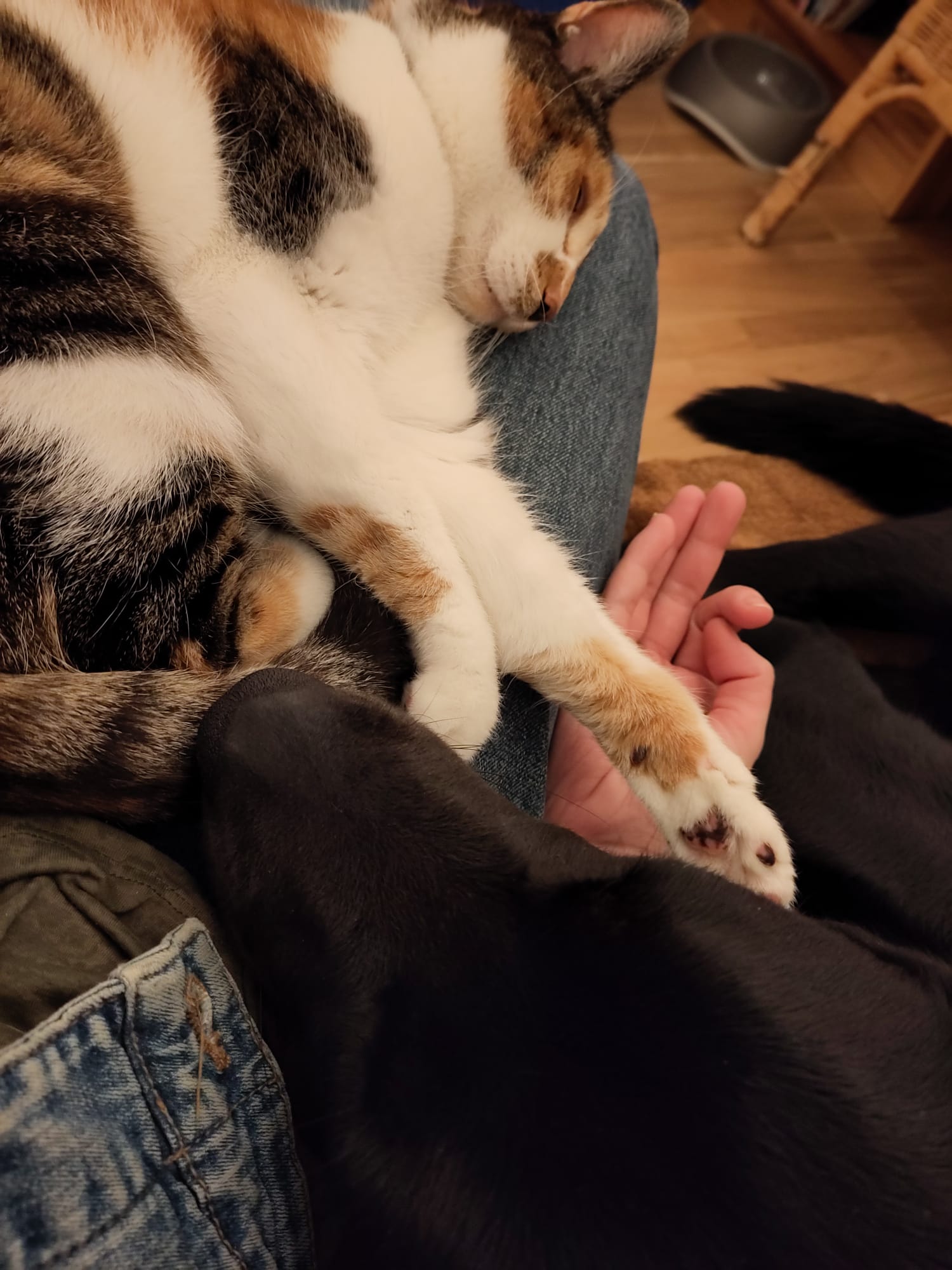
Each evening we cuddle as a family on the couch. The weight and warmth of my pets, the feel of their soft fur, the purring from Estrella reverberating through me. That is kind of my dream sensory space. But if I could have anything I wanted, it would be a holodeck (from Star Trek). That way I could go to any place I wanted and adapt my surroundings exactly how I like. I could also stop the experience at any time. Most likely I would go to all kinds of different nature environments (forests, beaches, mountains,…). The most important part about it would be the control over my sensory environment. Another idea would be having cat trees for humans. I am often envious at what nice places Estrella can hang out at.
Day 7 - Autistic authors
My three favorite books about autism by autistic authors (two in german, one in english):
- Schattenspringer from Daniela Schreiter: Graphic Novel in German about Childhood and Youth of an autistic woman from Germany. Lovingly painted and autism well explained.
- Welcome to the autistic community (book also available free to read online): Eye opening and in my estimation a must for every autistic ally or autistic person.
- Anders nicht falsch from Maria Zimmermann in German: What emerges if an autistic woman gets her diagnosis late and spends a few months in hyperfocus on the topic of autism to learn to understand herself. What I liked about it: Easy language, book is read in a short time, autism is explained very well, affirmative instead of pathologizing language, with newest consensus of science and neurodiversity movement.
Day 8 - Autistic inclusion looks like
Less what autistic inclusion looks like and more how to get closer to it:
The path of acceptance: Concept from the queer movement and was coined by Dr. Vivienne Cass 1979. I adapted it from Jessica McCabe’s book “How to ADHD” and an Ace Dad Advice video.
- Anti You deny the existence of autism or of me being autistic. Example: Autism is just a fashionable diagnosis.
- Acknowledgement You recognize autism exists but still have misconceptions. Example: You don’t look autistic.
- Acceptance You recognize that autistic brains work differently from most and that through marginalization those differences create real impairments. You believe my experience of it. Example: I didn’t realize executive functioning difficulties was an aspect of autism. That makes sense.
- Affirming You ask and listen about my experiences. You encourage me to get the support I need, and offer accommodations. Example: Thank you for telling me you have difficulties keeping to your scheduled breaks. Would it help if I remind you?
- Advocate You acknowledge power and agency to act. Example: You speak up for autistic people, even when they’re not in the room. You offer support to autistic people without them having to ask.
It took a lot of pressure from me when I realized that it is not my job to educate others. I can choose when I want to do so and it is enough to try to get others from one step to the next. No need to try to push them to the end.
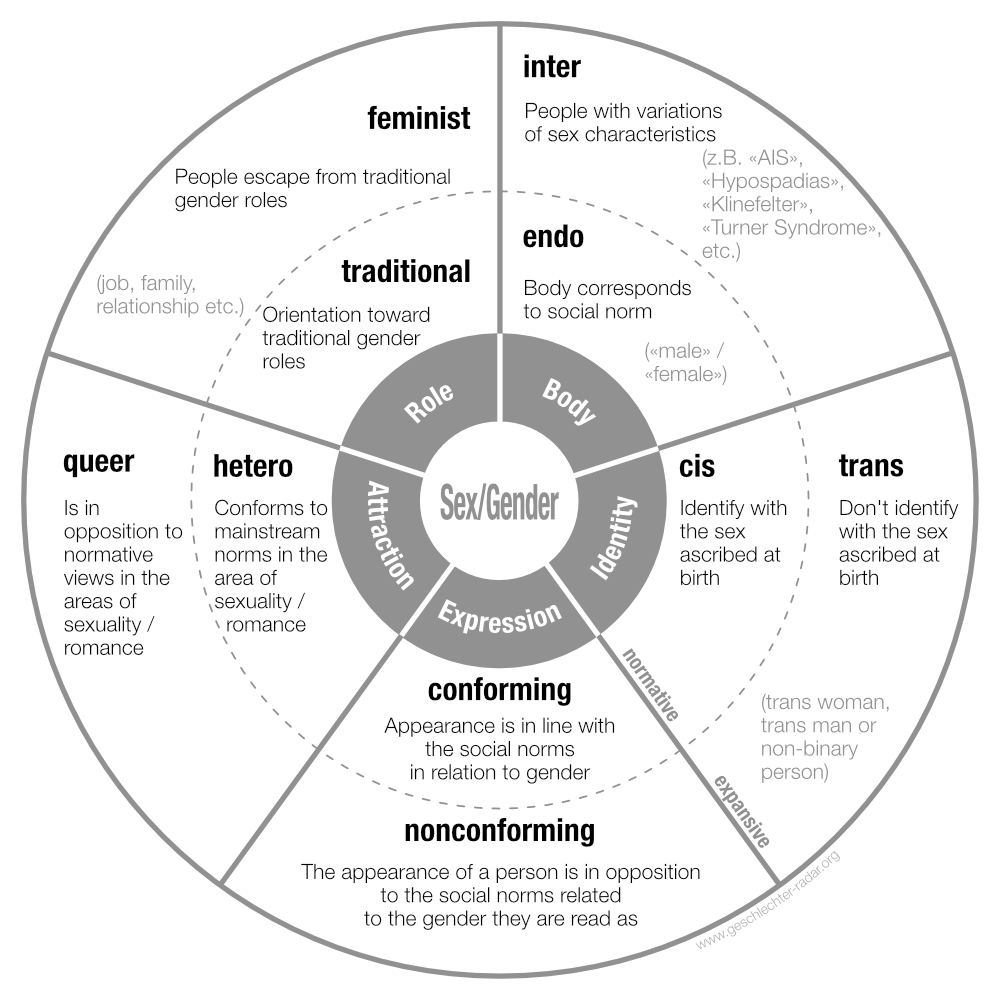
Day 9 - Autigender
I believe my autism shapes my gender quite a bit. I disclosed some on Instagram but on the webpage I don’t feel comfortable with that (yet). Instead here some links to ressources:
Day 10 - Autistic masking looks like
Masking is something that became automated for me. It developed from growing up in a world where there were few save spaces for me to be my authentic self. Outside of those, when I showed my authentic self I got interpreted as rude, shy, lazy, too sensitive or any number of adjectives that I was told I had to overcome. So I started hiding that part of myself. Instead putting on a front of what others expected to encounter. This was not a conscious decision. It was just the less painful path. The downside was, that it consumes a lot of energy and made me not know who I really was. This resulted in an autistic burnout at the end of which I finally got my autism diagnosis at about 20. After much research into what autism actually was I started to realize that my autistic traits were not wrong. They are different but valid non the less. With that change of mindset I could start to rediscover myself. Today, I am still layer for layer pulling off masking behavior I wasn’t even aware I had accumulated.
Examples of masking
- Following social rules even if they feel painful e.g. holding eye contact, shaking hands
- Translating between my and neurotypical communication style e.g. from clear and direct thoughts into vaguely and indirectly speak / writing and adding social platitudes.
- Answering to «How are you?» with «Fine» while having no idea what my emotions are doing because identifying them requires me to take a break and some meditation.
- Having people say to me «I never would have guessed you are autistic», «How long does your dog still need to finish training for being a guide dog?»,… Which I hear often and shows how unaware people are of invisible disabilities. (I was the same before my diagnosis.) I am trying to change it in a tiny bit through my posts this month.
Day 11 - Autistic unmasking looks like
There are different reasons for lowering my mask:
- When I feel save to be my authentic self. This happens when I am alone or with close friends or family. I do usually meet my family once a week where it is part of our deal that I am allowed to have only minor masking. This time is very important for me. I can be myself and feel accepted that way.
- When I struggle with executive functions and can no longer uphold my mask. This happens when I am in an autistic down or burnout. This dynamic disability, of suddenly not being able to do things that I could before is often difficult to explain.
- When I need or want to save my energy for something else. I usually do that when I am working with my Vertrauenshund. As soon as I put her on working harness it is the signal for her to go into working mode and for me too. Because it means we enter for me challenging situations and I need to prioritize where I spend my energy on (even more than usual). My first priority becomes balancing myself. As only in that state can I lead her (which is my second priority). Only afterwards comes anything else like interacting with others. With her harness it is visible that I have special needs so I don’t feel bad about lowering my mask. For example I will often not answer questions about Nayla during public transport rides but instead hand out a card that explains that she is my assistance dog and where to find further information.
Day 12 - What I need during a meltdown
I have autistic downs about every few months though if I am having a rough time they happen more often. It is basically a short version of a depression for me. I have templates that can guide me through it. The difficulty is, that during a down my exectuive functions are very bad. So it is very hard for me to remember that I have those templates and also to keep following them instead of getting distracted by my negative thoughts. One way my assistants help me during a down is therefore, to just keep reminding me to follow my templates. Usually that means having a friend or family member with me in a video call meeting while I follow the template.
Another difficulty is, that I need a quiet place to do so. If I am having a down in public that is usually difficult. For that I have cards I can hand out because close to a down I become nonverbal. Still, due to the low executive functions it can be hard to find a quiet place to retreat. I once had a down in a huge train station, that was really difficult. I am so glad to have my assistance dog Nayla with me all the times. Having somebody calm and loving during those times is a huge help.
Day 13 to 15
See Instagram, they are a bit too personal for me to post here.
Day 16 - Tips for workplaces
I am employed by Workaut and work in a sheltered workplace at ETH Zurich. For the last few years that has been a good deal for all of us. There was even an article about it published in the ETH staff magazine. Adjustments for me at work:
- Having autism training provided to staff. This is in form of a yearly presentation prepared by me and presented by my superior if I don›t think I can do so myself. As well as one to one meetings with new collegues where I use that same presentation to explain autism basics and how to best interact with me.
- Having a jobcoach
- Having «unwritten social rules» explicitly explained
- Knowing about changes in advance, where possible
- Having my assistance dog with me at all times
- Having reduced workload (I work 30%)
- Being allowed to work flexible hours
- Having regular breaks
- Being able to work from home
- Having a quiet room and fixed desk at work
- Having a fixed contact person
- Having regular check-ins with my supervisor (clear up tasks, help prioritizing,…)
- Aligning tasks with strengths rather than struggles
- Being able to communicate in line with preferences e.g. emails over phone calls
- Being allowed to skip social events
I recommend to check out neurodivergent_lou’s insta post regarding this topic. I copied some of her points because they were so well formulated.
Also this article on the topic I found very nice (though it is in German).
Day 17 - Tips for classrooms
My school days are long past. I didn’t have my autism diagnosis for most of it. Still I did profit a lot when teachers considered my needs. And had to work through the rest of the situations with my therapist as they did leave wounds that hadn’t healed by the time I grew up.
I recently read a great article in German about this, specifically concerning autistic girls: https://neuro-spectrum.ch/wie-schule-autistische-maedchen-besser-unterstuetzen-kann/
It’s tipps for classrooms are:
- Having a quiet room to retreat
- Being allowed to stim
- Having as much autonomy as possible
One additional point is being believed. People usually didn’t notice that I was struggling or didn’t believe me when I was saying so. I have been gaslit by so many teachers when telling them that it was too loud for me and they just responded that that was not true. Watching movies or music class can be so painful. In primary school my meltdowns were just treated as me needing to learn to not be so sensitive and that crying wouldn’t solve problems for me. I tried to follow that advice, I tried very hard, it just didn’t work. It only thought me that my emotions were my enemies because they made me do things others didn’t like. It was only during the last few years that I learned the use of emotions and how to deal with them. This has made a huge difference in my well-being.
To end on a positive note I want to thank all my teachers who helped me get through this hard time by discussing science with me. This glimpses touching my special interest (physics, nature) kept me going. A big thanks also to my school friends (I did have a few of them) for fighting the storm of daily live along my side at that time.
Day 19 - This is how I stim
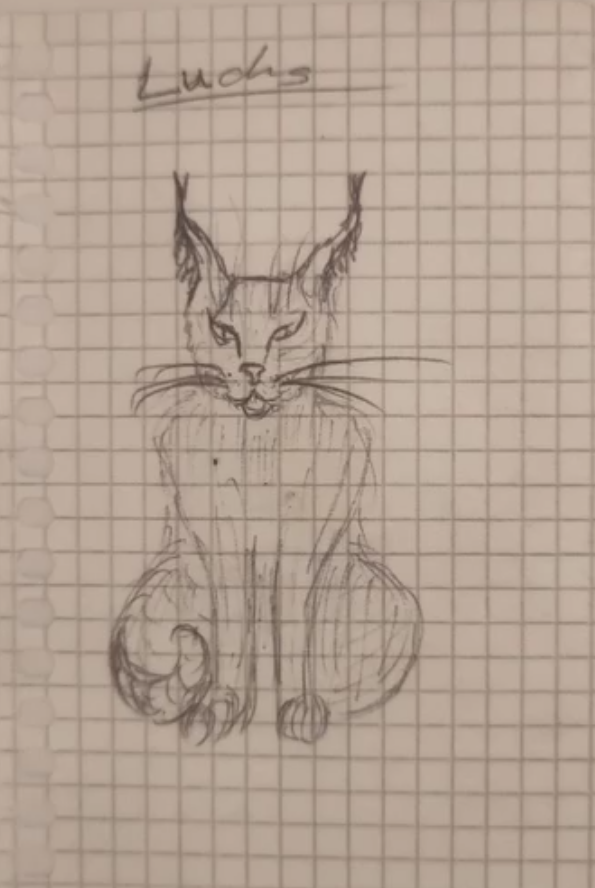
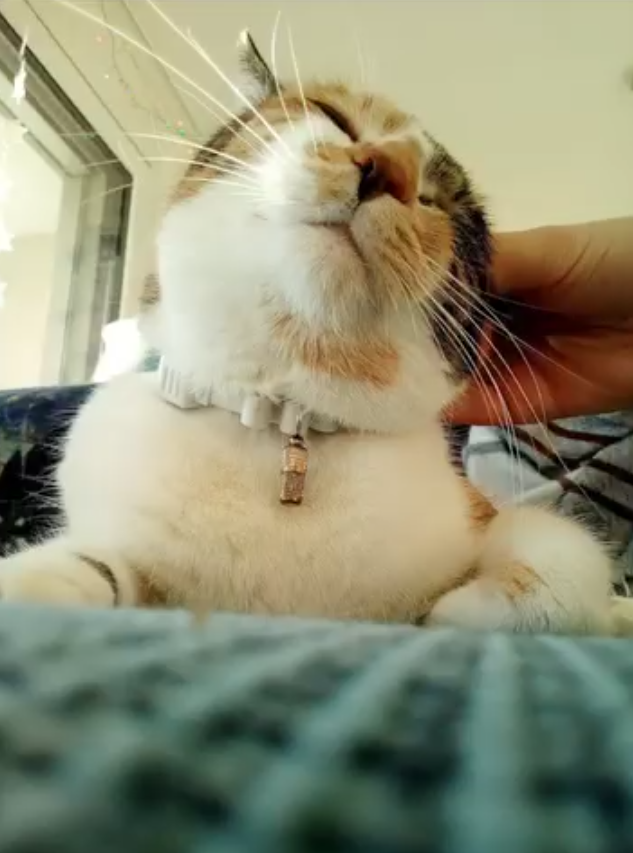
Stimming is awesome. It is fun and calms me down. One of the few things that charges my batteries. I like visual stimming quite a bit. I might get mesmerized by patterns in plants or some other geometric detail. Drawing also calms me down. It usually starts with abstract lines where I just need to get some movement out of me. Once I calmed enough I will then turn those lines into something more realistic. Of course, as mentioned, my favorite stimming is petting my pets. This is awesome with my assistance dog because I always have her with me for it.
Day 20 - Autistic burnout
I experienced autistic burnout already a couple of times. First as a depression in my early twenties. Which ultimately lead to me getting my autism diagnosis. Now it is something I usually experience for a few weeks each year. Each day I fight to not have a down and each down I fight to not have it turn into a burnout. With my expanded supporter network I managed to decrease the frequency of downs from once a month in my teens to a handful a year now.
From the outside I look like a successful autistic person (I have a job on my special interest, I have finances for owning pets,…). Indeed I feel grateful that I am able to get as much help as I do because I know many autistic people who don’t. Though my special interest on inclusion developed because I feel if my constant struggle and tethering on the edge is what other autistic people dream to be able to have in the future we still have a long way to go as society.
During an autistic burnout I need professional help. Unfortunately in Switzerland it is very unlikely that you get it. A good article explaining this in German is https://www.humanrights.ch/de/news/no-weiblicher-autismus-endometriose-frauenspezifische-diagnosen-iv-ernst . The knowledge about invisible disabilities, especially in women, just istn’t around in staff of stationary mental health institutions and financial help providers. You need to know exactly what your rights are and have the strength to enforce them to get the help you need. Unfortunately, during a burnout, that is something you often just don’t have the energy for.
Day 21 - Autistic self-care
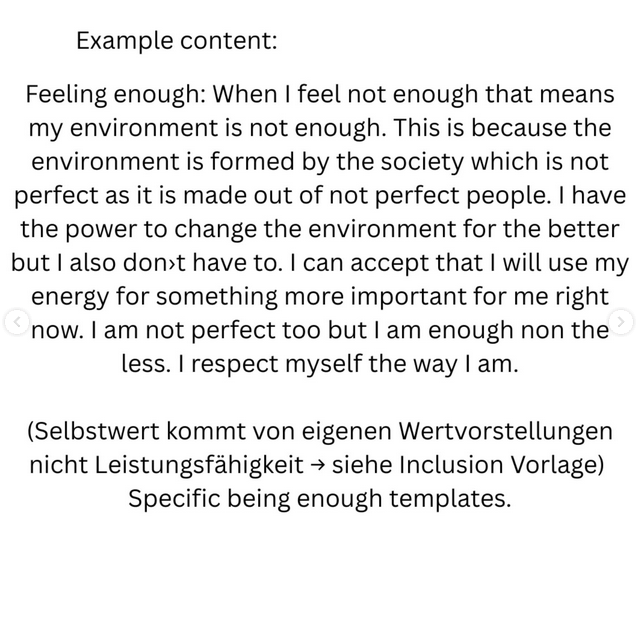
I believe the big amount of time for selfcare is one of my main invisible needs most people are not aware of. I often suffer from executive dysfunction. This means it is hard to think clearly and remember what I should do. So I made myself templates for specific recurring difficult situation. That way I can look up what I should be doing when I can’t remember what helped last time. I collected my templates into my own manual for myself. Like if my dishwasher gives me an error message of needing more salt I will look up in the manual what I need to do to fix the issue. The same way if my mind tells me that I am suffering again from my mental illness of “feeling not enough” I look in my self manual and read the sentences that usually resolve the issue (see example image). Notice the references at the end for looking up further templates if the problem persists. Also notice that I switch between English and German often. My native language is German but often emotional topics I find easier to address in English. It gives me a kind of distance between my intense emotions and the topic.
Day 22 - Safe/Same foods
I eat the same thing each day for breakfast and dinner. Making decisions takes energy and this way I don’t need to spend any on what to eat then. I do prefer variation in food but I incorporate that through lunch and snacks. Also I found out I can just increase or decrease the spoonfuls of muesli to keep my weight stable. A long time I did not like eating vegetables. They each smelled like a different kind of detergent / soap. Some years ago I purposefully desensitized myself to eating vegetables by eating a tiny amount with each meal. Nowadays I even like eating vegetables, though they don’t taste of much to me any longer.
Day 23 - This is how I communicate
Written communication takes less energy for me than verbal one. So I often prefer chatting, writing emails or letters when I need my energy for other things. Phone calls consume a lot of energy for me (5min call means 3 hours recovery time). Therefore I try to avoid it. I have a phone assistance person who does them for me and writes me afterwards what I need to know. I do train myself to eventually being able to do phone calls with less energy loss by doing almost daily voice messages with my family. (At least, before my new chronic illness took up the energy for it.) I got used to doing videocalls during corona lockdown time. As long as I can see the other person this works quite well for me. In contrast to phone calls I can get nonverbal clues through body language which let me know when it is my turn to talk or when something I said caused confusion. Sometime I communicate with noises. Mostly those mean something like “how are you doing?”. The noises I make for it are “blub”, “hmm” or “mmm” (in raising stair of notes). The first two I do with family and friends, the last one I do with Estrella. It is the only sound I react to, because she is very vocal. As soon as one reacts to her meows she will start to do them more often. And I prefer quiet sounds so I trained her to use the mentioned one. It originates from how a cat mother talks to her kittens. Estrella even did it once while dreaming. I found that sooo cute! (Because I am almost certain she dreamed of greeting me then <3) With my pets I mostly communicate through body language and gestures. Of course I also use words as signals and I also have some noises meaning increase or decrease your speed as well as “think again, I disagree with what you currently do”.
Day 24 - Autistic socialising
I reserve special slots each week for socializing with friends and family. I also interact with each cat I meet and most of the other animals, too.
Day 25 - Three tips for allies
- Believe us. We meet so many people that don’t believe us so we cherish those that do. It helps heal wounds from gaslighting, too.
- Use special interests to connect to autistic people. They are awesome present themes.
- Stand up for us even when we are not around. e.g. educate about autism, assistance dogs, inclusion,…
Day 26 - Autistic people to follow
(coming soonish)
Day 27 - Autistic Pride
(coming soonish)
Day 28 - Coming out as Autistic
(coming soonish)
Day 29 - Autistic community
(coming soonish)
Day 30 - Celebrate yourself
(coming soonish)
Ressources
- Webpage about reframing autism away from pathologization reframingautism
- Book from autistic people for autistic people Welcome to the autistic community
- Webpage with templates to help autistic people: Autismlevelup
- Instagram neurodivergent_lou